

Introduction: Why Choosing the Right Business Matters More Than Ever
Plenty of people want to start a business, and money is only part of the reason. The ones who last tend to be good at adapting, keeping things going over the long run, and solving a real problem for someone. The economy has also shifted. New technology, remote work, and changing buyer habits mean the old business models are being rethought, and fresh openings are appearing faster than before.
Picking the right business matters more than most people think, because it shapes your income, your stability, and how much you enjoy the work. When new entrepreneurs fail, it’s often not for lack of effort. They jump into a crowded market with nothing new to offer, or they choose an industry where demand is already shrinking. The businesses doing well now are the ones that fit how people live today: digital-first, convenient, personal, and mindful of the planet.
Scalability matters too. Think of two businesses: one needs more staff and more stock for every extra sale, and the other barely changes. The second has a much better shot at lasting. That’s why digital products and online services are so popular. They usually cost less to run, and each sale leaves more profit than it would in a physical shop. Businesses built on automation, AI, and remote work are picking up speed for the same reason.
Trust counts too. Over time, businesses that care about quality, are open with customers, and make buying easy tend to beat their competitors. And before picking an idea, think about your own skills, your interests, and what you actually have to work with.
Comparative Table of Top Business Ideas
| Business Type | Investment Level | Scalability | Risk Level | Profit Potential |
|---|---|---|---|---|
| E-commerce | Medium | High | Medium | High |
| Digital Marketing | Low | High | Low | High |
| E-learning | Low | Very High | Low | Very High |
| Food Delivery | Medium | Medium | Medium | High |
| Health & Fitness | Low-Medium | High | Low | High |
| Tech Services | Medium | Very High | Medium | Very High |
| Freelancing | Low | Medium | Low | Medium |
| Real Estate | High | Medium | Medium | High |
| Eco-Friendly Business | Medium | High | Medium | High |
| Subscription Model | Low-Medium | Very High | Low | Very High |
E-commerce Business: The Evergreen Digital Goldmine
E-commerce continues to dominate the business landscape due to its scalability, global reach, and relatively low startup costs. With increasing internet penetration and smartphone usage, online shopping has become a daily habit for millions of people worldwide.
Starting an e-commerce business allows entrepreneurs to sell products without maintaining a physical storefront. Platforms like Shopify, WooCommerce, and Amazon have made it easier than ever to launch an online store within days. The key to success in e-commerce lies in choosing the right niche, understanding customer needs, and providing a seamless shopping experience.
One of the biggest advantages of e-commerce is flexibility. You can operate your business from anywhere, manage inventory digitally, and automate many processes such as order fulfillment and customer service. Dropshipping, in particular, has become popular because it eliminates the need for holding inventory.
However, competition is intense. To stand out, businesses must focus on branding, customer engagement, and unique value propositions. Social media marketing, influencer collaborations, and search engine optimization are essential tools for driving traffic and increasing sales.
Additionally, customer retention is just as important as acquisition. Offering loyalty programs, personalized recommendations, and excellent customer service can significantly improve long-term profitability.
E-commerce is not just about selling products—it’s about building a brand. Entrepreneurs who invest in storytelling, packaging, and customer relationships often achieve greater success than those who focus solely on price competition.
Read More: I’m 25 And Earning ₹30k A Month How Should I Start Investing For Long-Term Growth?
Digital Marketing Agency: Powering Businesses in the Online Era
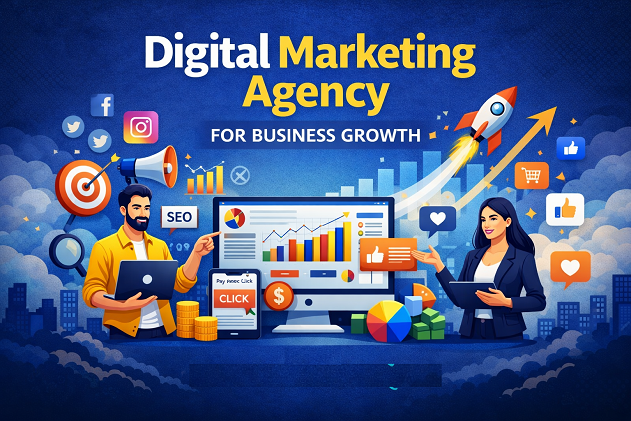
As more businesses move online, the demand for digital marketing services continues to grow rapidly. A digital marketing agency helps companies improve their online presence through services like SEO, social media management, content creation, and paid advertising.
This business is highly profitable because it requires minimal upfront investment. All you need is a laptop, internet connection, and expertise in digital marketing strategies. You can start as a freelancer and gradually build a team as your client base grows.
The key to success in this industry is delivering measurable results. Clients expect increased website traffic, higher conversion rates, and improved brand visibility. Therefore, staying updated with the latest trends and algorithms is essential.
Another advantage is scalability. Once you establish a reputation, you can expand your services, target international clients, and even create your own digital products such as courses or templates.
Building strong client relationships is crucial. Transparency, communication, and consistent performance can lead to long-term contracts and referrals, which are vital for growth.
Online Education and E-learning Platforms
The education sector has undergone a massive transformation, with online learning becoming a preferred choice for many. E-learning platforms offer courses, training programs, and educational content to a global audience.
This business is particularly attractive because of its scalability. Once you create a course, it can be sold repeatedly without additional production costs. Topics can range from academic subjects to professional skills like coding, graphic design, and business management.
The success of an e-learning business depends on content quality, user experience, and marketing. Interactive elements such as quizzes, live sessions, and community forums can enhance engagement and retention.
Additionally, certifications and partnerships with institutions can increase credibility and attract more learners.
Entrepreneurs can also explore niche markets such as language learning, career coaching, or industry-specific training programs. The demand for continuous learning ensures long-term growth potential.
Food Delivery and Cloud Kitchen Business
The food industry remains one of the most resilient sectors, and the rise of food delivery services has created new opportunities. Cloud kitchens, also known as ghost kitchens, operate without a dine-in facility and focus solely on delivery.
This model reduces overhead costs such as rent and staffing, making it more accessible for new entrepreneurs. By partnering with delivery platforms, Top 10 most successful businesses to start can reach a wide customer base without heavy marketing expenses.
Success in this business depends on food quality, packaging, and delivery efficiency. Offering unique menu items or specializing in a specific cuisine can help differentiate your brand.
Data analytics also play a crucial role. Understanding customer preferences, peak order times, and popular dishes can help optimize operations and increase profitability.
Health and Fitness Business: A Growing Lifestyle Industry

Health and wellness have become top priorities for many people, leading to a surge in demand for fitness-related services. This includes gyms, personal training, yoga studios, and online fitness coaching.
The pandemic accelerated the trend of home workouts and virtual training sessions. As a result, hybrid models combining physical and digital services are becoming increasingly popular.
Entrepreneurs can also explore niche areas such as mental wellness, nutrition coaching, and specialized fitness programs.
Consistency, expertise, and customer motivation are key factors for success. Building a community around your brand can significantly improve client retention.
Read More: Teach Me the Basics of How to Start Investing in Index Funds A Complete Step-by-Step Guide
Technology Services and App Development
With businesses relying heavily on technology, there is a constant demand for software development, app creation, and IT solutions. This industry offers high earning potential and global opportunities.
Entrepreneurs with technical skills can start their own development company or work on freelance projects. Even non-technical founders can collaborate with developers to create innovative products.
The key to success is solving real problems. Apps that improve productivity, enhance communication, or provide convenience tend to perform well in the market.
Freelancing and Remote Service Business
Freelancing has become a mainstream career option, offering flexibility and independence. Services such as writing, graphic design, programming, and consulting are in high demand.
This business requires minimal investment and can be started immediately. Platforms like Upwork and Fiverr provide access to a global client base.
Building a strong portfolio and maintaining professionalism are essential for success. Over time, freelancers can scale their Top 10 most successful businesses to start by forming agencies or offering specialized services.
Real Estate and Property Management
Real estate remains a reliable investment and business opportunity. Entrepreneurs can explore property management, rental services, or real estate consulting.
The key advantage is asset appreciation and passive income potential. However, it requires careful planning, market research, and financial management.
Technology is also transforming this sector, with online property listings and virtual tours becoming standard practices.
Sustainable and Eco-Friendly Businesses
Sustainability is no longer optional—it’s a necessity. Consumers are increasingly choosing eco-friendly products and services.
Businesses focusing on renewable energy, organic products, and waste reduction are gaining popularity. This sector offers both profitability and social impact.
Innovation and transparency are crucial for building trust and attracting environmentally conscious customers.
Subscription-Based Business Models
Subscription services provide recurring revenue, making them highly attractive for entrepreneurs. Examples include streaming platforms, subscription boxes, and software services.
The key to success is delivering consistent value. Customers must feel that the subscription is worth their money every month.
Retention strategies such as personalized experiences and exclusive content can significantly improve profitability.
Content Creation and Personal Branding
Content creation has evolved into a full-fledged business. Platforms like YouTube, blogging, and social media allow individuals to monetize their skills and creativity.
Successful content creators focus on niche topics and build strong connections with their audience. Revenue streams include ads, sponsorships, and digital products.
Consistency and authenticity are essential for long-term success.
Financial Services and Consulting
Financial literacy is becoming increasingly important, creating opportunities for businesses in financial consulting, investment advisory, and accounting services.
This industry requires expertise and trust. Providing accurate advice and maintaining transparency are crucial for building a strong reputation.
Event Planning and Management
Events such as weddings, corporate functions, and conferences require professional planning and coordination. This business thrives on creativity and organization skills.
Building a network of vendors and maintaining strong client relationships are key to success.
Conclusion: Turning Ideas into Profitable Reality
Starting a successful business requires more than just a good idea—it demands planning, execution, and adaptability. The businesses discussed in this article represent some of the most promising opportunities in today’s market, but success ultimately depends on how well you implement your strategy.
Entrepreneurs must focus on solving real problems, delivering value, and building strong relationships with customers. Continuous learning and innovation are essential for staying ahead of the competition.
It is also important to start small and scale gradually. Testing your idea, gathering feedback, and making improvements can significantly increase your chances of success.
Finally, persistence is key. Every Top 10 most successful businesses to start faces challenges, but those who remain committed and adaptable are more likely to achieve long-term success.
By choosing the right business and executing it effectively, you can build a sustainable and profitable venture that not only generates income but also creates lasting impact.
