
Index funds are where a lot of first-time investors begin, and it’s easy to see why. You buy one fund and you own a small slice of hundreds of companies. No picking stocks, no watching prices all day. You put money in, leave it, and let time do most of the work. If that sounds like your kind of investing, this guide covers how they work and how to buy your first one.
What Are Index Funds and Why Do They Matter?
Index funds are a type of mutual fund or exchange-traded fund (ETF) designed to track the performance of a specific market index, such as a stock market index. Instead of trying to beat the market, index funds aim to replicate its performance.
For example, if an index represents the top 100 companies, an index fund will invest in those same companies in the same proportion. This makes index funds a passive investment option, meaning they require less active management compared to traditional funds.
The importance of index funds lies in their simplicity and cost efficiency. Since they are not actively managed, they typically have lower fees. Over time, lower costs can significantly improve your overall returns.
Another key advantage is diversification. By investing in a single index fund, you gain exposure to a wide range of companies, reducing the risk associated with investing in individual stocks.
Index funds matter because they provide an easy entry point into investing. They are particularly suitable for beginners who may not have the time or expertise to analyze individual stocks.
Understanding How Index Funds Work
To understand Teach Me the Basics of How to Start Investing in Index Funds, you need to grasp the concept of market indices. A market index is a collection of stocks that represents a portion of the financial market.
Index funds work by mirroring these indices. Fund managers ensure that the fund holds the same securities in the same proportions as the index it tracks. This process is known as replication.
Example of Index Tracking
| Index Name | Number of Companies | Example Allocation |
|---|---|---|
| Large Cap Index | 100 | Top companies |
| Broad Market | 500 | Mixed sectors |
When the index rises or falls, the index fund follows suit. This means your returns are directly tied to the overall market performance rather than individual stock performance.
Because of this structure, index funds eliminate the need for frequent buying and selling. This reduces transaction costs and minimizes the impact of human error.
Understanding how index funds work helps you stay confident during market fluctuations. Instead of worrying about individual stocks, you focus on long-term market growth.
Benefits of Investing in Index Funds
Index funds offer several advantages that make them attractive for investors. One of the biggest benefits is low cost. Since these funds are passively managed, they have lower expense ratios compared to actively managed funds.
Another benefit is diversification. Investing in a single index fund spreads your money across multiple companies, reducing risk.
Read More: I’m 25 And Earning ₹30k A Month How Should I Start Investing For Long-Term Growth?
Key Benefits Overview
| Benefit | Explanation |
|---|---|
| Low Fees | Minimal management costs |
| Diversification | Spread across many assets |
| Simplicity | Easy to understand and manage |
| Consistent Return | Tracks market performance |
Index funds also provide consistent returns over time. While they may not outperform the market, they rarely underperform significantly.
They are also beginner-friendly. You do not need advanced financial knowledge to start investing in index funds.
These benefits make index funds a powerful tool for long-term wealth building.
Risks You Should Be Aware Of
Although Teach Me the Basics of How to Start Investing in Index Funds are relatively safe, they are not risk-free. One of the main risks is market risk. If the overall market declines, your investment will also decrease in value.
Another risk is lack of flexibility. Since index funds are designed to follow a specific index, they cannot adjust quickly to changing market conditions.
Risk Breakdown
| Risk Type | Description |
|---|---|
| Market Risk | Loss due to market downturn |
| Inflation Risk | Returns may not beat inflation |
| Limited Control | No active management decisions |
There is also inflation risk. If inflation rises faster than your returns, your purchasing power may decrease.
Understanding these risks helps you make informed decisions and set realistic expectations.
Choosing the Right Index Fund
Selecting the right index fund is a critical step. Not all index funds are the same, and choosing wisely can impact your returns.
Look at factors such as the index being tracked, expense ratio, and fund performance history. Lower expense ratios are generally better.
Comparison Table
| Fund Type | Expense Ratio | Risk Level |
|---|---|---|
| Large Cap Fund | Low | Moderate |
| Total Market | Very Low | Moderate |
| Sector Fund | Higher | High |
You should also consider your financial goals and risk tolerance. A broad market index fund is usually a good starting point.
Choosing the right fund ensures that your investment aligns with your long-term objectives.
How Much Money Do You Need to Start?
One of the best things about index funds is that you do not need a large amount of money to start. Many platforms allow you to begin with small investments.
You can start with as little as a few thousand taka or even less, depending on the platform.
Starting Investment Plan
| Monthly Investment | Duration | Potential Growth |
|---|---|---|
| 2,000 | 10 years | Significant |
| 5,000 | 15 years | High Growth |
The key is consistency rather than the initial amount. Regular contributions can lead to substantial growth over time.
Starting early gives you the advantage of compounding, which significantly increases your returns.
The Role of Compounding in Index Funds
Compounding is the process of earning returns on your initial investment as well as on the returns already generated. This is one of the most powerful aspects of investing.
The longer you stay invested, the greater the impact of compounding.
Compounding Example
| Years | Investment | Value Growth |
|---|---|---|
| 5 | 100,000 | Moderate |
| 10 | 200,000 | Strong |
| 20 | 400,000 | Exponential |
Even small investments can grow significantly over time due to compounding.
Understanding this concept encourages patience and long-term thinking.
How to Start Investing Step by Step
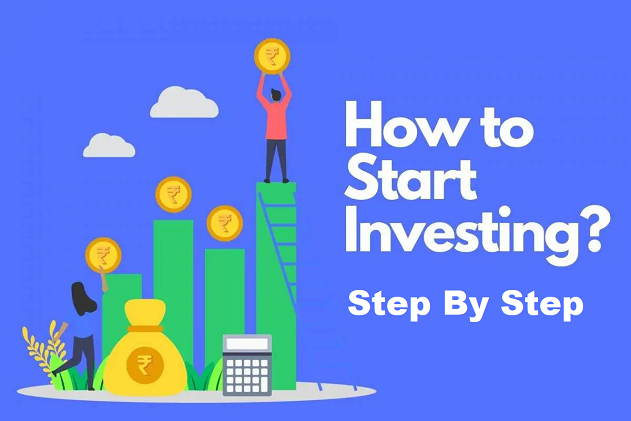
Starting with index funds involves a few simple steps. First, choose a reliable investment platform or brokerage account.
Next, select the index fund that matches your goals. Then, decide how much you want to invest regularly.
Step-by-Step Guide
| Step | Action |
|---|---|
| 1 | Open investment account |
| 2 | Choose index fund |
| 3 | Start investing regularly |
Once you begin, monitor your investments periodically but avoid frequent changes.
This step-by-step approach simplifies the process and reduces confusion.
Common Mistakes to Avoid
Many beginners make mistakes when starting their investment journey. One common mistake is trying to time the market.
Another mistake is investing without a clear plan or goal.
Mistakes Table
| Mistake | Impact |
|---|---|
| Market Timing | Missed opportunities |
| Lack of Discipline | Inconsistent growth |
| Overreacting | Poor decision-making |
Avoiding these mistakes can improve your chances of success.
Building a Long-Term Investment Mindset
Successful investing requires patience and discipline. Index funds are best suited for long-term growth rather than short-term gains.
Stay consistent with your investments and avoid reacting to short-term market changes.
Long-Term Strategy
| Strategy | Benefit |
|---|---|
| Regular Investing | Steady growth |
| Diversification | Reduced risk |
| Patience | Maximum compounding benefit |
A long-term mindset helps you stay focused on your goals and achieve financial success.
Final Thoughts
Investing in index funds is one of the simplest and most effective ways to begin building long-term wealth, especially for beginners who may feel overwhelmed by the complexity of the stock market. By focusing on broad market performance rather than individual stock selection, index funds remove much of the guesswork and reduce the risks associated with poor investment choices. They offer a balanced combination of low costs, diversification, and steady returns, making them a reliable option for consistent growth over time.
The key to success with index fund investing lies in discipline and patience. Rather than trying to time the market or chase quick profits, it is more beneficial to invest regularly and stay committed to your strategy. Even small, consistent contributions can grow significantly due to the power of compounding. Over the years, this steady approach can help you achieve major financial goals such as retirement, home ownership, or financial independence.
Ultimately, starting early and staying consistent matters more than the amount you invest initially. With the right mindset and a long-term perspective, index funds can serve as a strong foundation for a secure and prosperous financial future.
