

Introduction to Trading Tick, Call, and Put Concepts
In the world of financial trading, understanding the fundamental concepts of tick, call, and put is essential for making informed decisions. These terms are commonly used in options trading and short-term speculative markets. A “tick” refers to the smallest possible price movement of a Trading tick call vs put instrument. It is the heartbeat of the market, constantly fluctuating as buyers and sellers interact.
A “call” option gives a trader the right, but not the obligation, to buy an asset at a predetermined price within a specified time. Conversely, a “put” option gives the right to sell an asset under similar conditions. These instruments are widely used for hedging risk and speculating on price movements.
Trading ticks play a crucial role in determining short-term price action. Traders often analyze tick data to predict whether the market will move upward or downward. Based on this analysis, they choose between call and put options. For instance, if a trader expects the price to rise, they may choose a call option. If they anticipate a decline, they may opt for a put option.
Understanding these basic concepts is the foundation of successful trading. Without a clear grasp of how ticks influence price movements and how call and put options work, traders may struggle to make profitable decisions. This essay explores these concepts in depth, providing insights into their applications, strategies, and risks.
Understanding Tick Movement in Trading
Tick movement represents the smallest increment in which the price of a financial instrument can change. It is a critical concept for traders who rely on short-term price fluctuations. Each tick reflects a change in supply and demand, making it a valuable indicator of market sentiment.
In highly liquid markets, tick movements occur rapidly, providing numerous trading tick call vs put opportunities. Traders use tick charts to analyze these movements in real time. Unlike time-based charts, tick charts focus on the number of transactions, offering a more detailed view of market activity.
Key characteristics of tick movement include:
- High sensitivity to market changes
- Real-time price updates
- Useful for scalping and day trading
Tick data helps traders identify trends, reversals, and breakout points. For example, a series of upward ticks may indicate strong buying pressure, suggesting a potential price increase. Conversely, downward ticks may signal selling pressure.
However, tick trading requires quick decision-making and a strong understanding of market dynamics. It is often used by experienced traders who can interpret rapid price changes effectively.
Overall, tick movement is the foundation of short-term trading strategies. It provides valuable insights into market behavior and helps traders make timely decisions when choosing between call and put options.
What is a Call Option?
A call option is a financial contract that gives the holder the right to buy an asset at a predetermined price, known as the strike price, within a specific time frame. It is commonly used when a trader expects the price of an asset to rise.
Call options are popular among traders because they offer the potential for significant profits with limited risk. The maximum loss is limited to the premium paid for the option, while the potential gain can be substantial if the asset price increases significantly.
Advantages of call options include:
- Leverage with lower capital investment
- Limited downside risk
- High profit potential
For example, if a trader buys a call option for a stock at a strike price of $100 and the stock price rises to $120, the trader can exercise the option and profit from the difference.
Call options are widely used in bullish market conditions. Traders analyze tick movements and other indicators to determine the right time to enter a call position.
However, call options also come with risks. If the asset price does not rise as expected, the option may expire worthless, resulting in a loss of the premium paid.
Understanding how call options work is essential for traders who want to capitalize on upward market trends. When combined with tick analysis, they can be a powerful tool for generating profits.
Read More: Muhurat Trading Time 2025 A Complete In-Depth Guide for Investors
What is a Put Option?
A put option is the opposite of a call option. It gives the holder the right to sell an asset at a predetermined price within a specified period. Traders use put options when they expect the price of an asset to decline.
Put options are particularly useful for hedging against potential losses in a portfolio. They allow traders to profit from falling markets, making them a valuable tool in bearish conditions.
Key benefits of put options include:
- Protection against market downturns
- Opportunity to profit from price declines
- Limited risk
For instance, if a trader buys a put option with a strike price of $100 and the asset price falls to $80, they can sell the asset at the higher strike price, generating a profit.
Put options are often used in combination with tick analysis to identify downward trends. Traders monitor tick movements to determine when to enter or exit a position.
Despite their advantages, put options also carry risks. If the asset price does not fall as expected, the option may expire worthless.
In summary, put options are a versatile tool for traders who want to benefit from declining markets or protect their investments from potential losses.
Key Differences Between Call and Put Options
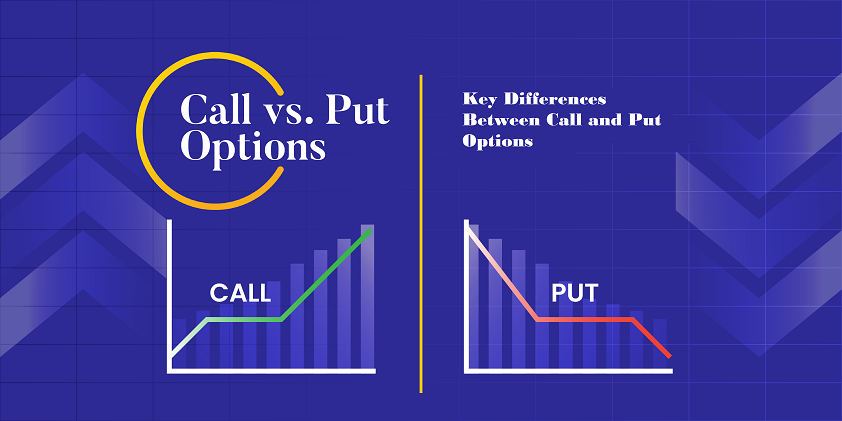
| Feature | Call Option | Put Option |
|---|---|---|
| Market Expectation | Price Increase (Bullish) | Price Decrease (Bearish) |
| Right Granted | Buy Asset | Sell Asset |
| Profit Scenario | Asset price rises | Asset price falls |
| Risk | Limited to premium | Limited to premium |
| Usage | Growth and speculation | Hedging and protection |
This table highlights the fundamental differences between call and put options. Understanding these differences is crucial for selecting the right strategy based on market conditions.
Call options are ideal for bullish traders, while put options are suitable for bearish scenarios. Both instruments offer unique advantages and can be used in various trading tick call vs put strategies.
Role of Tick Analysis in Call vs Put Decisions
Tick analysis plays a vital role in determining whether to choose a call or put option. By analyzing tick movements, traders can identify short-term trends and make informed decisions.
For example:
- Upward tick patterns may संकेत a call opportunity
- Downward tick patterns may संकेत a put opportunity
Tick analysis provides real-time insights into market behavior, allowing traders to react quickly to changes. It is particularly useful in volatile markets where prices fluctuate rapidly.
Traders often combine tick analysis with other technical indicators to improve accuracy. This multi-layered approach increases the chances of making profitable trades.
Trading Strategies Using Call and Put Options
There are various strategies that traders use when dealing with call and put options. Some of the most popular include:
- Long Call Strategy: Buying a call option expecting price increase
- Long Put Strategy: Buying a put option expecting price decrease
- Straddle Strategy: Buying both call and put to profit from volatility
- Covered Call: Holding stock and selling call options
Each strategy has its own risk and reward profile. Traders choose strategies based on their market outlook and risk tolerance.
Understanding these strategies is essential for maximizing profits and minimizing risks in options trading.
Risks and Challenges in Tick-Based Trading
Tick-based trading is highly dynamic and comes with several risks. The rapid pace of price changes can lead to impulsive decisions and potential losses.
Common risks include:
- Market volatility
- Emotional trading
- Lack of proper analysis
- Overtrading
To mitigate these risks, traders should develop a disciplined approach and use risk management techniques.
Practical Tips for Beginners
For beginners, entering the world of tick trading and options can be overwhelming. Here are some practical tips:
- Start with a demo account
- Learn basic concepts thoroughly
- Use small investments initially
- Follow market trends and news
These steps can help beginners build confidence and improve their trading skills over time.
Conclusion
Trading tick call vs put is a complex yet rewarding aspect of financial markets. Understanding the relationship between tick movements and option strategies is crucial for success. While call options are suitable for bullish markets, put options are ideal for bearish conditions.
By combining tick analysis with well-planned strategies, traders can make informed decisions and improve their chances of profitability. However, it is important to be aware of the risks and adopt a disciplined approach.
In conclusion, mastering tick trading and options requires continuous learning, practice, and patience. With the right knowledge and strategies, traders can navigate the market effectively and achieve their financial goals.
